VDC and BIM

VDC and BIM

EFFICIENT SYSTEM BUILDS
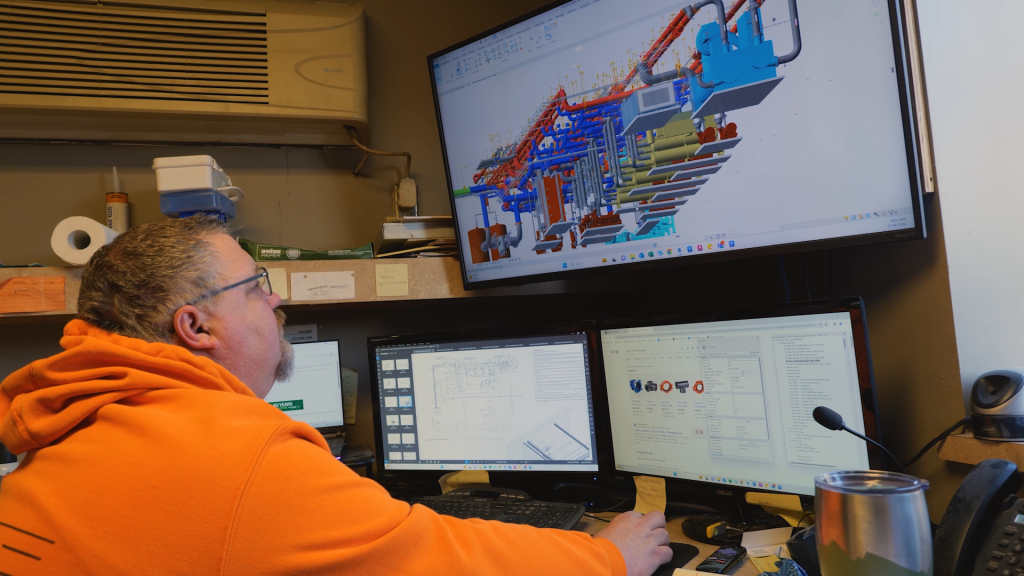
QuesTec builds faster with fewer surprises. Through early coordination, digital planning, and field-driven BIM workflows, we reduce clashes, streamline installation, and improve overall construction quality.

Our BIM process is not just about creating a model. It is about helping the entire project team make better decisions before work reaches the field.

Why It Matters

Better planning upfront leads to smoother work on site. QuesTec uses BIM and VDC to coordinate faster with design teams, identify issues earlier, and create more accurate plans for prefabrication, layout, and installation.

By working through potential conflicts before crews are in the field, we help reduce RFIs, limit rework, and keep the project moving with greater confidence.

Built for the Field

Our VDC department is staffed by trained field craftsmen who understand how mechanical systems are actually built. That field experience makes our modeling more practical, our coordination more accurate, and our prefabrication more effective.

Because our models are built with installation in mind, we can plan assemblies earlier, prepare materials ahead of the project, and move work into controlled fabrication environments when possible. This helps reduce weather delays, limit downtime waiting on other trades, and shorten the time needed for on-site installation.

Smarter Tools. Better Results.

QuesTec continually invests in advanced BIM and construction technologies that help projects move faster with fewer surprises. Using laser scanning, robotic layout, and digital field workflows, our teams verify existing conditions, coordinate with greater precision, and transfer design directly to the field.

The result is more accurate installations, fewer conflicts during construction, reduced rework, and greater confidence that what is built matches the design.

Our VDC and BIM Process Helps Improve

From Model to Installation

When a project is ready to move forward, our teams are not starting from scratch. With coordinated models, prefabricated components, and accurate layout information, crews can install with more speed, accuracy, and confidence.


That means fewer surprises, better use of labor, and a smoother path from planning to finished system.